
Exploring the rich history of gambling From ancient rituals to modern casinos
Exploring the rich history of gambling From ancient rituals to modern casinos
The Origins of Gambling
The practice of gambling can be traced back thousands of years, with evidence found in ancient civilizations such as Mesopotamia and Egypt. The earliest known form of gambling involved the use of dice, which dates back to around 3000 BC. These dice were often made from materials like bone or ivory, and their use was part of various rituals and games that held significant cultural meaning. Ancient texts and archaeological findings suggest that gambling was not merely a pastime but also served spiritual and religious purposes. For those interested in a modern twist, checking out playid casino offers an innovative approach to gaming.

In ancient China, gambling played a prominent role as well, with the earliest recorded lottery dating back to the Han Dynasty, around 205-187 BC. This lottery was initially used to fund government projects, highlighting the societal significance of gambling in resource allocation. The Chinese also invented various games of chance that influenced modern gambling practices. The cultural intertwining of chance and fate in these societies laid the foundation for the gambling traditions we recognize today.
The Greeks and Romans further advanced the concept of gambling, incorporating it into their daily lives and social events. The Romans established betting on gladiatorial games and chariot races, which attracted large crowds. These forms of gambling were not only entertainment but also a way for citizens to engage in social interaction. This blend of culture, community, and chance established gambling as a vital aspect of ancient societies, leading to its evolution into a more structured form in later years.
The Evolution Through the Middle Ages
The Middle Ages witnessed significant changes in the perception and regulation of gambling. During this period, gambling often became associated with moral decay and sin, leading to various restrictions across Europe. Despite this, underground gambling games flourished. In cities like Venice and London, secretive betting houses emerged, allowing players to indulge in games of chance away from the prying eyes of authorities. This duality of acceptance and condemnation reflected society’s complex relationship with gambling.
Card games gained immense popularity during this era, leading to the creation of the modern deck of cards we use today. These games were often played among the nobility and became a symbol of status and sophistication. The advent of playing cards also diversified gambling options, introducing new strategies and skills that captivated players. The intriguing social dynamics at play in these card games mirrored the broader societal changes taking place in Europe.
The Renaissance period brought about a renewed interest in gambling, leading to the establishment of the first official casinos. The first known casino, the Ridotto, opened in Venice in 1638, providing a legal venue for gambling activities. This marked a turning point where gambling transitioned from informal gatherings to regulated establishments. The concept of the casino spread across Europe, creating a structured environment where players could enjoy games of chance in a more formal setting.
The Birth of Modern Casinos
The 19th century was a pivotal time for the evolution of gambling, particularly with the rise of modern casinos. The introduction of roulette in France during the late 1700s revolutionized the gambling landscape, attracting players with its enticing allure. The iconic wheel became a staple in casinos, symbolizing both chance and fortune. The increasing popularity of such games led to the establishment of casinos in major cities across Europe, including Monte Carlo, which became synonymous with luxury and opulence.
As the Industrial Revolution progressed, the development of railways made it easier for people to travel to gambling destinations. This accessibility contributed to the boom of casino culture in the late 19th and early 20th centuries. People flocked to places like Las Vegas, which started as a small town and transformed into a gambling hotspot, attracting visitors from around the world. The neon lights and extravagant shows created an atmosphere that was irresistible, turning gambling into a major entertainment industry.
During the 20th century, the establishment of legal gambling in various states across the United States further legitimized the casino experience. Regulation provided a framework that ensured fairness and safety for players. The introduction of slot machines in the 1930s added another dimension to gambling, making it accessible to a broader audience. This era solidified gambling’s position as a mainstream form of entertainment, leading to the rapid growth of casinos and their diverse offerings.
The Impact of Technology on Gambling
The advent of technology has fundamentally transformed the gambling industry, particularly with the rise of the internet in the late 20th century. Online gambling emerged as a groundbreaking alternative to traditional brick-and-mortar casinos, allowing players to engage in games of chance from the comfort of their homes. This accessibility attracted a new generation of gamblers, significantly expanding the audience and scope of the industry.
Technological innovations have not only changed how games are played but also how transactions are conducted. E-wallets and secure payment systems, like PlayID, have streamlined the online gambling experience, making it easier for users to manage their funds and access various casinos without lengthy verification processes. Fast payouts and centralized bankroll management have contributed to a more user-friendly environment, enhancing overall satisfaction. In fact, many players have found the features akin to those of a playid casino to be remarkably advantageous.
Furthermore, advancements in mobile technology have led to the rise of mobile casinos, allowing players to gamble anytime and anywhere. The integration of live dealer games has provided a more immersive experience, bridging the gap between online and traditional gambling. As technology continues to evolve, it promises to bring even more innovations to the gambling industry, reshaping how we perceive and engage with games of chance.
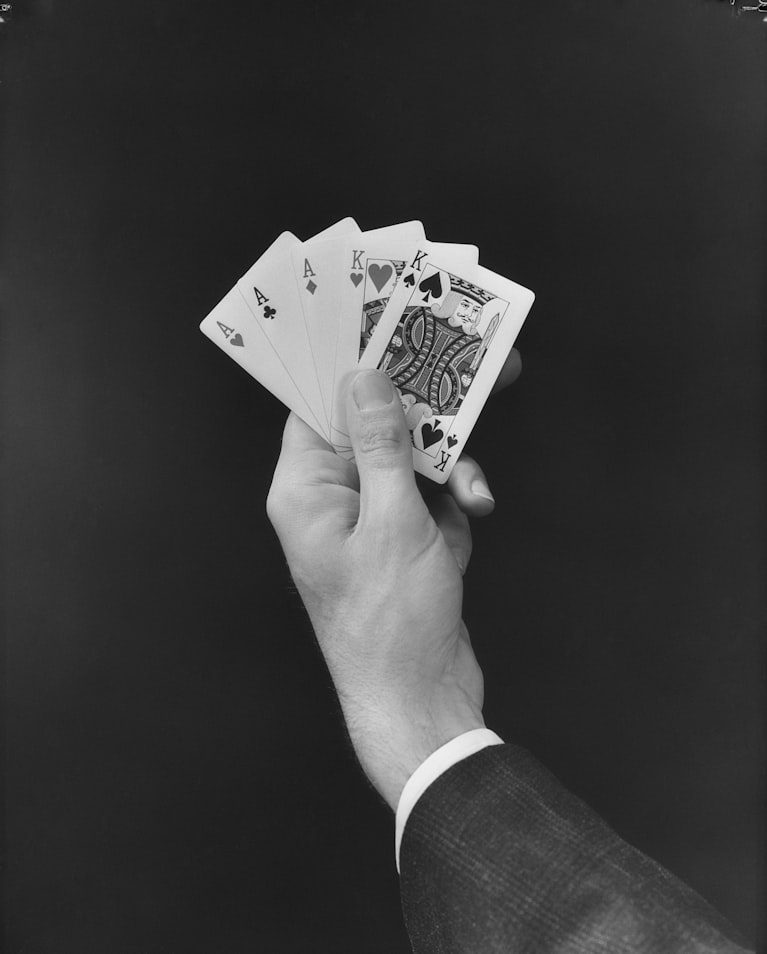
PlayID and the Future of Gambling
As gambling technology advances, platforms like PlayID are at the forefront, revolutionizing how players interact with online casinos. Serving as a comprehensive e-wallet, PlayID offers a centralized hub for managing funds, facilitating seamless transactions, and ensuring user security. The platform’s emphasis on user experience has made it a go-to solution for players looking for a hassle-free online gaming journey.
Newcomers to the gambling world can also benefit from exclusive bonuses and promotions available through PlayID. By simplifying the login and payment process, it allows users to focus on the enjoyment of the games themselves, rather than navigating complex verification steps. This innovative approach not only enhances user satisfaction but also encourages responsible gambling practices.
In conclusion, the history of gambling is a rich tapestry woven through centuries of cultural, social, and technological evolution. From ancient rituals to the sophisticated online platforms of today, gambling continues to adapt and thrive. As we look to the future, innovations like PlayID promise to further enhance the gambling experience, ensuring that it remains an engaging and entertaining pursuit for enthusiasts around the world.